🌐 Introduction: The World Has Gone Digital
Have you ever wondered how some businesses grow faster online while others struggle to get noticed?
The secret lies in Digital Marketing — the modern way of connecting brands with their audience using the internet.
In today’s era, where everyone spends hours scrolling through their phones, digital marketing has become a necessity, not a choice.
Let’s understand what it really means and how it works.
💡 What is Digital Marketing?
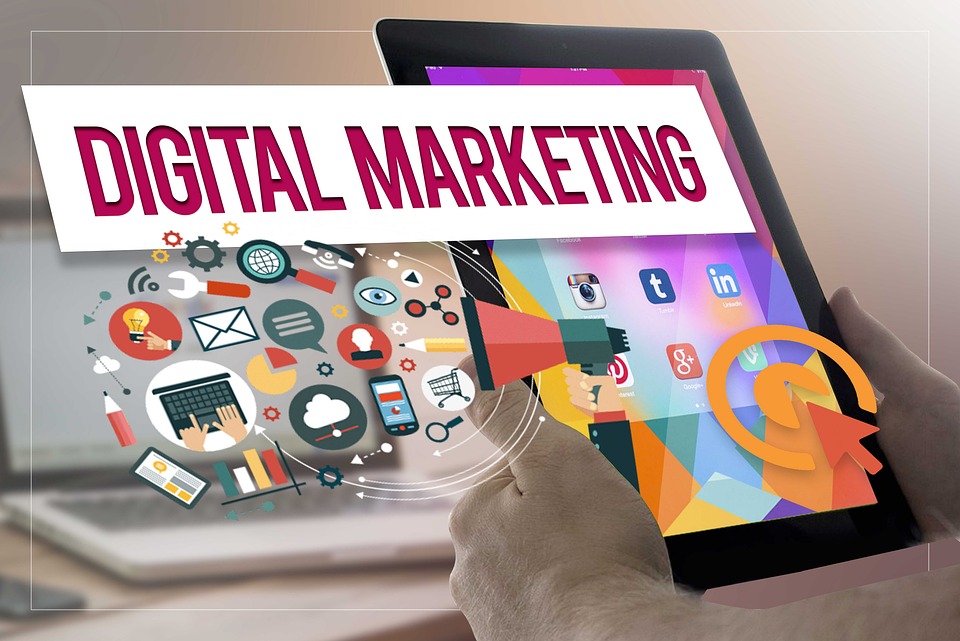
Digital Marketing is the modern way of promoting products, services, or brands using the internet and digital platforms such as search engines, social media, websites, emails, and mobile apps.
In simple words, it means reaching your customers online — where they spend most of their time.
Unlike traditional marketing (like TV ads, newspapers, or billboards), digital marketing allows you to connect directly with your audience in a more personal and measurable way. Whether it’s a small business or a large company, everyone uses digital marketing to grow their presence online.
🧠 Why Digital Marketing is Important?
In today’s world, everything and everyone is online — from searching for products to reading reviews and making purchases. That’s where digital marketing becomes a game-changer. It helps businesses connect with their target audience in the right place, at the right time, and in the most effective way possible.
🌍 1. Wider Reach
Digital marketing allows you to reach people all over the world — not just in your local area. Whether you’re a small startup or a big brand, you can promote your products to a global audience within minutes.
🎯 2. Targeted Audience
Unlike traditional marketing (like TV or newspapers), digital marketing lets you target specific people based on their age, location, interests, and online behavior. This means your message reaches only those who are most likely to become your customers.
💸 3. Cost-Effective
Running ads online is much cheaper than printing flyers or renting billboards. You can start with a small budget and still get great results, especially with platforms like Google Ads or Meta Ads (Facebook & Instagram).
📊 4. Measurable Results
One of the biggest advantages of digital marketing is that everything is measurable. You can track how many people viewed your ad, clicked your link, or purchased your product — helping you understand what works and what doesn’t.
⚡ 5. Builds Brand Awareness
Through social media, blogs, and videos, digital marketing helps create brand visibility. Consistent online presence makes your business trustworthy and recognizable among customers.
🧠 6. Personalized Marketing
Digital marketing allows you to send personalized messages, offers, and recommendations to customers based on their interests — making them feel valued and increasing conversion chances.
🚀 7. Boosts Sales and Growth
With the right digital marketing strategy, businesses can generate leads, attract new customers, and build long-term relationships — all of which lead to faster business growth.
🔁 8. Keeps You Competitive
Almost every brand today uses digital marketing. To stay ahead, you need a strong online presence too. Without it, your competitors might capture the audience you could have reached.
🎯 Main Goal of Digital Marketing
The goal of digital marketing is simple — to reach more people, engage them, and convert them into loyal customers.
It helps brands:
- Build awareness and trust
- Generate leads and sales
- Increase online visibility
- Communicate directly with customers
With the right strategy, digital marketing can grow your business faster and more efficiently than traditional methods.
🚀 Why It Matters?
In today’s world, most people are online — searching, scrolling, and shopping every day.
That’s why businesses need a strong digital presence to stay visible and competitive.
Digital marketing helps them reach the right audience, increase sales, and build meaningful relationships with customers.
💡 Major Types of Digital Marketing
Digital marketing is made up of several strategies that help businesses connect with people online. Each type plays an important role in building awareness, attracting leads, and driving sales. Let’s look at the major types of digital marketing and what makes each one important.
🔍 1. Search Engine Optimization (SEO)
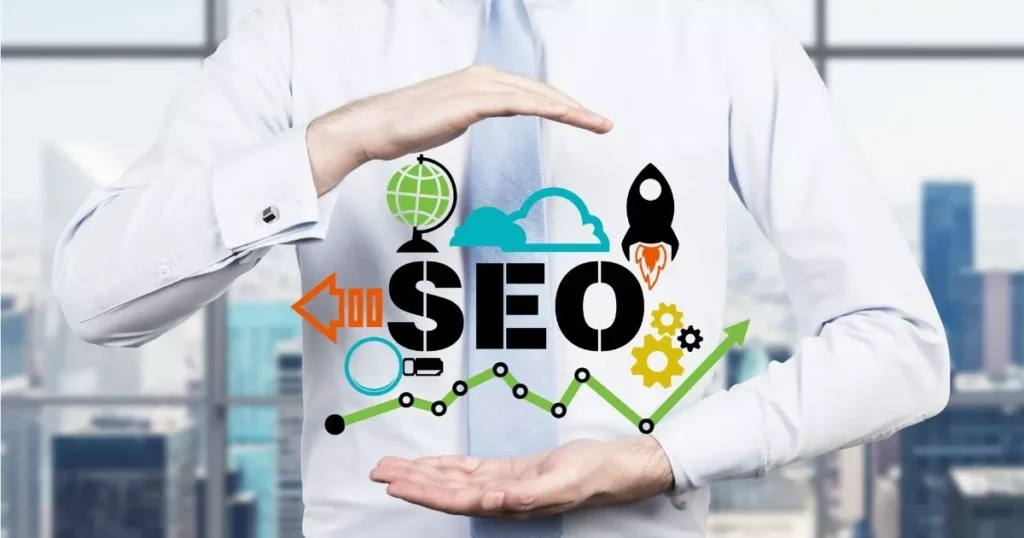
Search Engine Optimization, or SEO, is the process of improving a website so it appears higher in search engine results. The goal is to attract visitors without paying for ads.
There are three main parts of SEO:
- On-page SEO – optimizing the content and structure of your website pages.
- Off-page SEO – building backlinks and improving your website’s authority.
- Technical SEO – making sure your site is fast, secure, and easy for search engines to crawl.
In simple terms, SEO helps your website show up when people search for something related to your business.
📱 2. Social Media Marketing (SMM)
Social media marketing focuses on using platforms like Instagram, Facebook, YouTube, LinkedIn, and X (Twitter) to connect with people, share content, and promote products or services.
It helps businesses:
- Build a community and engage with customers.
- Increase brand awareness.
- Drive traffic to their websites.
Today, short videos, reels, and interactive posts are some of the most powerful ways to grow a brand through social media.
💰 3. Pay-Per-Click Advertising (PPC)
Pay-Per-Click advertising is a method where you pay only when someone clicks on your ad. It’s a fast way to get results and attract potential customers.
You can run PPC campaigns on platforms like Google Ads, Meta Ads (Facebook and Instagram), and YouTube.
This method allows you to target specific locations, interests, and age groups, ensuring your ads reach the right people at the right time.
✍️ 4. Content Marketing

Content marketing is about creating valuable and informative content to attract and educate your audience. This can include blog posts, videos, infographics, guides, and more.
The goal is to help people understand their problems and guide them toward solutions — which naturally builds trust in your brand.
For example, a travel company might publish blogs like “Top 10 Budget Destinations in India,” helping readers while promoting their travel services.
🤝 5. Affiliate Marketing
Affiliate marketing allows individuals to earn money by promoting someone else’s product or service. When someone buys through their unique referral link, the affiliate earns a small commission.
It’s a great way for creators, bloggers, and influencers to earn passive income. Companies also benefit because they only pay when a sale happens.
👩💻 6. Influencer Marketing
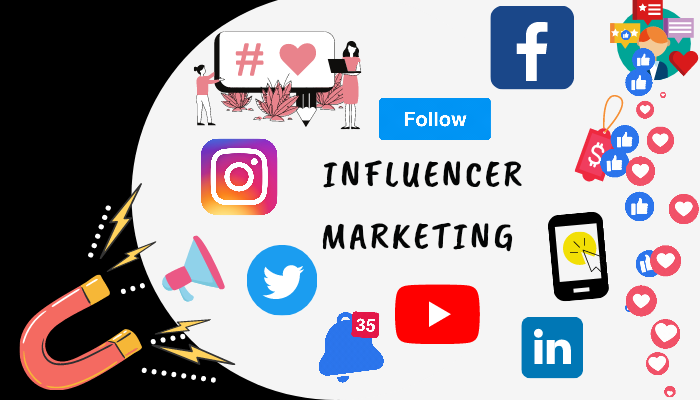
Influencer marketing uses social media creators with a loyal audience to promote a product. Brands collaborate with influencers who already have the trust of their followers.
It works well because people often buy products recommended by someone they follow or admire.
For example, a skincare brand might work with a beauty influencer to review their new product line, which helps them reach a wider audience naturally.
📈 Benefits of Digital Marketing
✅ Cost-effective compared to traditional ads
✅ Easy to measure and track results
✅ Builds stronger brand reputation
✅ Helps in reaching a targeted audience
✅ Improves customer engagement and trust
🧭 How Digital Marketing Works (Step-by-Step)
- Research & Set Goals: Define your business goals — sales, awareness, leads, etc.
- Choose Platforms: Select where your audience spends time (Google, Instagram, LinkedIn).
- Create Content: Make posts, videos, or blogs that attract and inform.
- Run Campaigns: Use paid or organic methods to reach audiences.
- Analyze Results: Track clicks, conversions, and ROI through analytics tools.
- Optimize: Improve campaigns based on data for better performance.
🚀 Future of Digital Marketing
The future of digital marketing is smarter, faster, and more personalized than ever before. With new technologies like AI (Artificial Intelligence), machine learning, and automation, businesses can now understand their customers deeply and deliver exactly what they want — at the right time and on the right platform.
Here’s what the future looks like 👇
🌐 1. Artificial Intelligence & Automation
AI will continue to change how marketers work — from chatbots, content generation, and predictive analytics to automated ad campaigns. Brands will use AI to analyze user behavior and create personalized marketing experiences.
📱 2. Video & Short-Form Content
Platforms like YouTube Shorts, Instagram Reels, and TikTok are dominating user attention. Future marketing will focus more on visual storytelling and short, engaging videos to capture audiences quickly.
🧠 3. Voice Search & Smart Devices
With Alexa, Siri, and Google Assistant, more people are using voice search. Marketers must optimize for voice-based queries by using natural language and conversational keywords.
💬 4. Personalization is Everything
Generic ads are gone. Future marketing is about hyper-personalization — delivering content, offers, and emails that match individual interests and behaviors in real-time.
🔒 5. Privacy & Data Protection
With data privacy laws like GDPR and India’s DPDP Act, marketers must focus on ethical data collection and transparent marketing while maintaining customer trust.
🌍 6. Omnichannel Experience
The future of digital marketing is seamless — connecting websites, social media, emails, and offline touchpoints to deliver one consistent customer experience.
🧩 7. AI-Driven SEO & Analytics
🏁 Conclusion
Search engines are evolving with AI. SEO will become more intent-based rather than keyword-based. Marketers will rely on AI tools for smarter insights and real-time performance tracking.
Digital marketing is no longer just an option — it’s a necessity for every business that wants to grow and stay relevant in today’s online world. It connects brands with their audiences through various digital platforms like social media, search engines, emails, and websites.
From SEO and content marketing to social media ads and influencer collaborations, each form of digital marketing plays a vital role in building trust, attracting leads, and increasing sales.
The beauty of digital marketing lies in its data-driven approach — you can track every click, view, and conversion to understand what works best. It gives both small and large businesses an equal chance to reach global audiences.
In simple terms, digital marketing is the present and the future of communication, branding, and business growth.
Those who adapt, learn, and use it effectively will have endless opportunities in the digital world.
📑 Table of Contents Plugins
Introduction: The World Has Gone Digital
Why Digital Marketing is Important?
Main Goal of Digital Marketing: Why It Matters